Sailing guides · Skipper Academy
Learn to Sail in Croatia: A Beginner’s Guide to Becoming a Skipper
Never sailed before? That doesn't have to stop you. From your first sailing knot to taking the helm, here's how to start learning to sail in Croatia, what beginner skipper training involves and what it really takes to progress towards a life on the water.
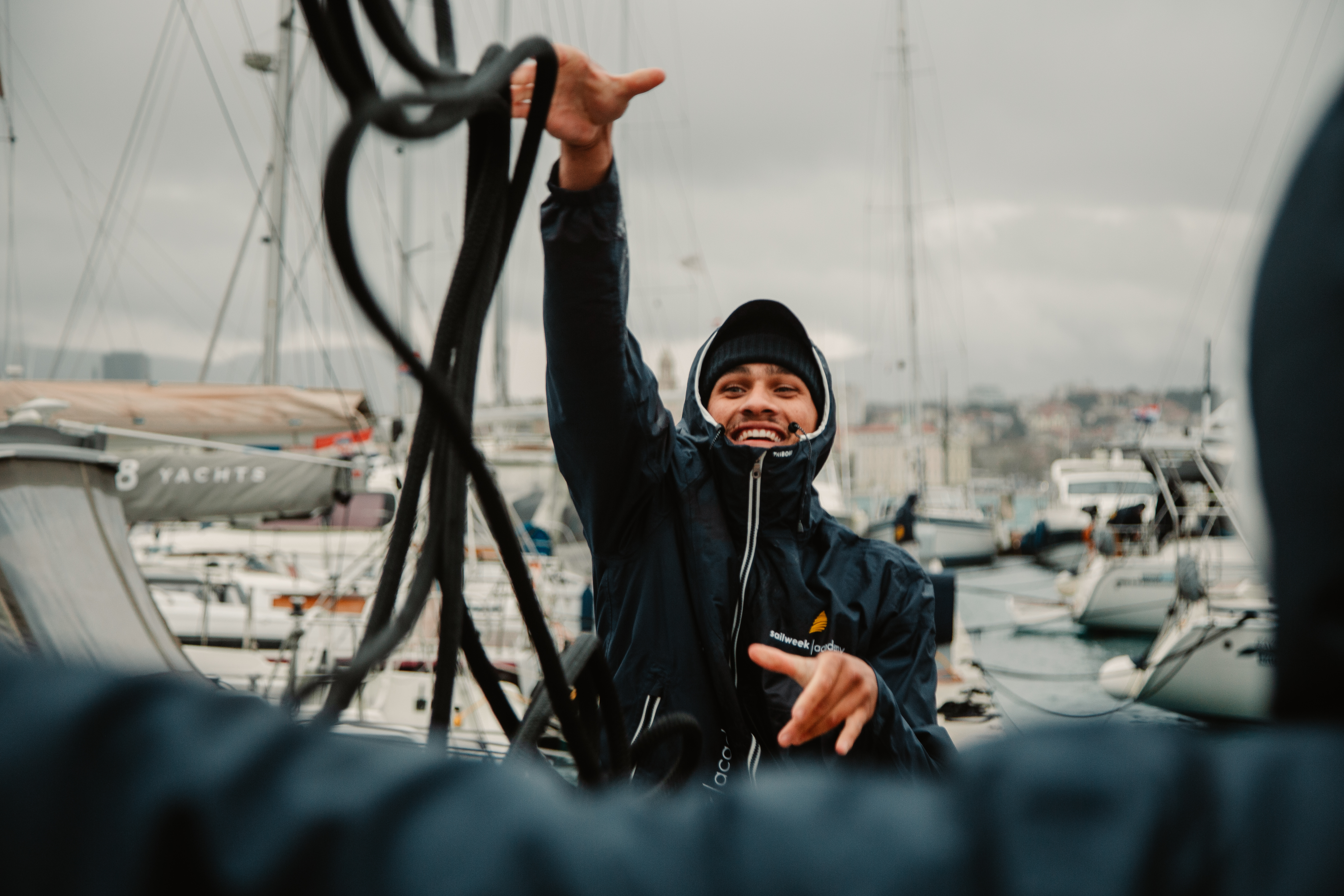
The short answer: Yes, you can learn to sail in Croatia with zero previous experience. Sailweek Academy's Beginner Skipper course doesn't require you to have sailed before or already hold a skipper licence. What you do need is a willingness to learn, work as part of a crew and take the responsibility seriously.
Can you learn to sail with no experience?
Absolutely. Everyone starts somewhere. Some people grow up on boats; others arrive at a marina not knowing the difference between a sheet and a halyard. The important part isn't how much sailing you've done before the course. It's how willing you are to ask questions, practise and learn from your mistakes.
That's the thinking behind Sailweek Academy's beginner programme. It's designed for people starting from scratch as well as those with some basic sailing knowledge. You learn with instructors and other trainees aboard a yacht, building skills through practical experience rather than trying to absorb everything from a textbook.
It isn't a shortcut to becoming an experienced captain overnight. But it is a structured place to begin, whether you'd eventually like to work as a skipper, charter a boat with friends or simply feel more confident on the water.
Why learn to sail in Croatia?
There's a difference between learning a knot on dry land and using it while approaching a berth. In Croatia, training takes you onto the Adriatic, where marinas, anchorages, coastal navigation and everyday yacht handling become part of the learning experience.
The Split region of Central Dalmatia is where Sailweek Academy runs its skipper training. Living and practising aboard a yacht helps you understand more than the mechanics of sailing: how people share space, how the crew prepares for each day and how communication matters when everyone has a different job to do.
And of course, being in Croatia means learning in a place many people hope to return to for sailing holidays. That makes the environment exciting, but the focus of training stays on seamanship, safety and responsibility.
What do you actually learn on a beginner skipper course?
You won't be expected to know the terminology on day one. Training starts with the fundamentals before building towards more demanding manoeuvres. Here are some of the key areas covered at Sailweek Skipper Academy:
- Sailing fundamentals: understanding the yacht, sails, wind, basic manoeuvres and how to work with the conditions.
- Docking and anchoring: learning to approach a berth, use lines and fenders, handle the boat at low speed and anchor safely.
- Navigation and weather: building awareness of charts, coastal landmarks, route planning and weather changes.
- Knots and seamanship: rope handling, preparing a yacht and the practical jobs every crew member needs to know.
- Safety and communication: emergency awareness, VHF basics, teamwork and giving clear instructions under pressure.
Practice is central to all of it. It's one thing to understand an explanation; it's another to repeat a manoeuvre until your hands and your head know what to do. Academy instructors assess not only technical progress but also your attitude, work ethic, communication and ability to work with other people.

From zero to hero: what progress really looks like
One of the best parts of learning a new skill is noticing the small changes. The knot you struggled with becomes automatic. You begin to understand why the skipper chooses a certain approach. A docking manoeuvre that felt chaotic at first starts to make sense.
We're seeing that progression in the “zero to hero” journey of a Sailweek skipper currently being shared on @sailweekacademy on Instagram. It captures the part of sailing that a course description can't quite show: confidence growing with each new challenge. It's a useful reminder that nobody starts out knowing everything.
Our graduates have described that experience too. In a review of the 2026 Academy, skipper graduate Jimi Baruta spoke about the hands-on learning and how confidence developed throughout the two weeks.
“You naturally become more confident every single day.”
Jimi Baruta · Sailweek Academy 2026 graduate, Google review
If you'd like another first-hand perspective, read Danielle Russo's account of her Academy experience and the journey that followed. It's a real story of the hard work and excitement behind becoming a skipper.
How long does it take to learn to sail?
There's no single answer. Knowing the basics, feeling comfortable as an active crew member and being ready to take responsibility for a yacht are very different stages. Experience comes from repetition, good judgement and time on the water.
At Sailweek Academy, the Beginner Skipper course consists of two separate seven-day training weeks, with a one-week break between them. The structure gives you an intensive introduction to boat handling, navigation and crew leadership, followed by further practice and assessment.
Both training weeks are required. Accommodation is provided aboard the training yacht during the course weeks, but not during the week between them. You can see the confirmed Sailweek Academy 2027 dates and location in our separate guide.
Does completing a sailing course make you a professional skipper?
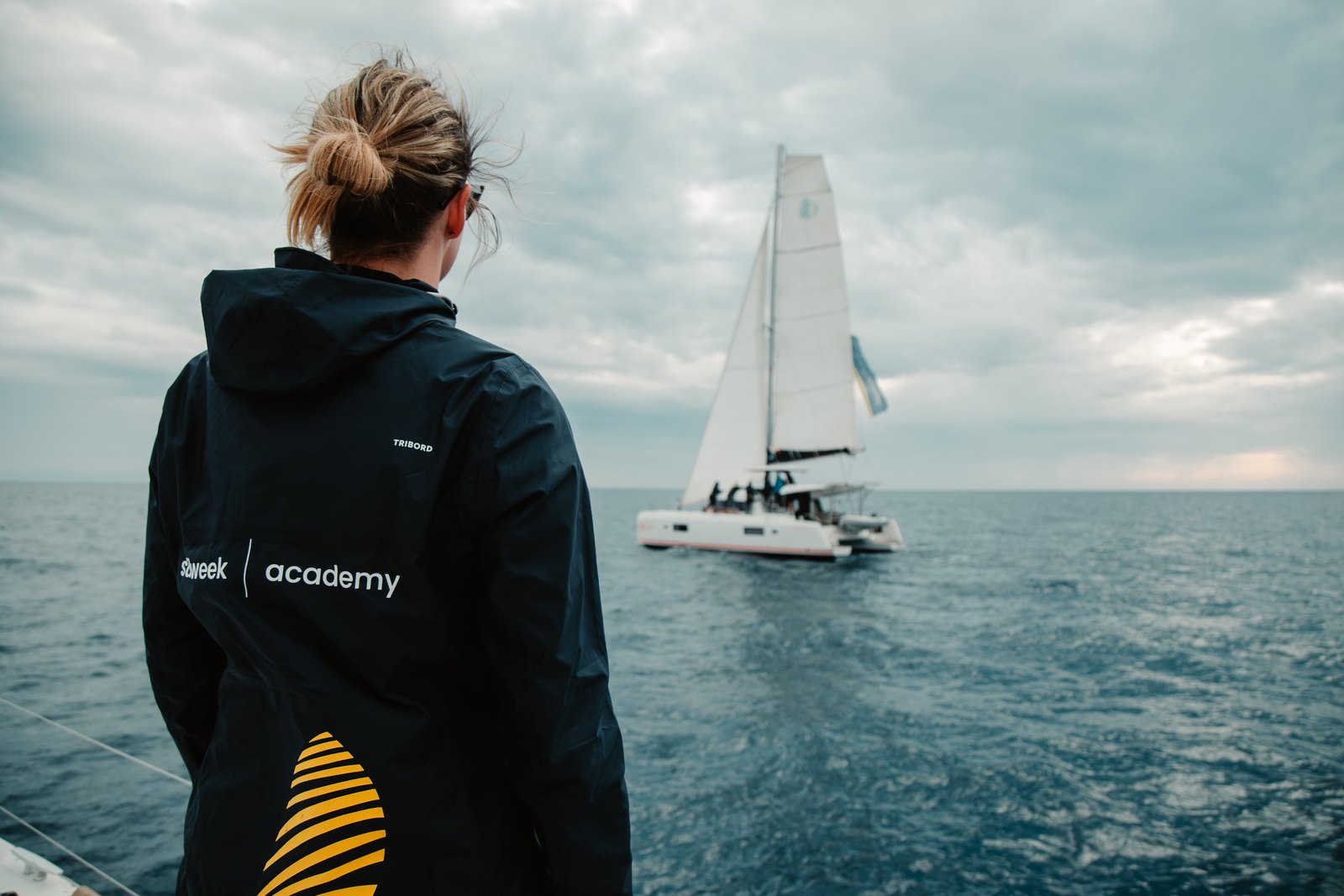
No — and this distinction is important. Completing a beginner sailing course isn't the same thing as receiving a recognised commercial skipper licence or becoming qualified to take paying guests to sea.
Sailweek Academy develops the practical skills and professional mindset needed for working on yachts. To work as a skipper, you must also obtain an appropriate, valid licence and meet the relevant requirements. The Academy does not issue that commercial qualification itself.
Depending on your background and the type of work you want to do, your next steps may involve additional examinations, licensing and time on the water. The Academy's accepted licences guide is a starting point, but always check the requirements for your intended role and location.
Completing the Academy also doesn't guarantee a job. Suitable graduates may be considered for opportunities with Sailweek or selected partners, depending on their performance, qualifications, demand and availability.
Is Sailweek Academy right for you?
Beginner Skipper Academy could be a fit if you're curious about sailing, enjoy learning through practical challenges and want to see where a new skill might take you. You don't need prior sailing experience, but you should be comfortable with an intensive course and prepared to be an active member of the crew.
The currently listed Beginner course requirements include an age range of 18–36, fluent English and no previous skipper licence. If you've already sailed professionally and hold a recognised qualification, you may be better suited to the separate Catamaran Skipper course, which isn't designed for beginners.
How do you start learning to sail in 2027?
- Explore the Beginner Skipper course. Read the training curriculum and entry requirements so you know what to expect.
- Check the training dates. Review the 2027 Academy schedule and make sure you can attend both weeks of your programme.
- Apply to Academy. Complete the application form with your details and experience. The team will review your application and explain availability and next steps.
Beginner sailing: frequently asked questions
Do you need a licence to learn to sail in Croatia?
No skipper licence is required to attend Sailweek Academy's Beginner course. A suitable recognised licence is a separate requirement if your goal is to work professionally as a skipper.
Can you become a skipper if you've never sailed before?
Yes, you can begin training with no experience. Becoming a competent, properly qualified skipper takes practical training, further learning and the appropriate recognised licence.
Do I need to be fit or sporty?
You don't have to be an experienced athlete, but sailing involves physical tasks, movement around a boat and active participation. If you have concerns about specific physical requirements, contact the Academy team before applying.
Is the course just for people who want a sailing job?
No. The beginner course also welcomes people who want to expand their sailing knowledge or gain confidence on yachts. Professional work is one possible longer-term goal, not an automatic outcome.
